
🎁 Nhập mã www.mitsubishikimliendienchau.vn để được giảm 10%!
In recent years, f8bet đăng nhập have garnered significant attention both within comic circles and mainstream culture, sparking debates about sexuality, ethics, and artistic expression. These books, often blending visual storytelling with explicit nội dung, challenge traditional perceptions about erotica and graphic imagery in literature. Their growing popularity reveals a complex conversation about the role of sexuality in media, the boundaries of artistic freedom, and the societal implications of depicting intimate acts through manga artistry.
Understanding f8bet đăng nhập involves exploring their artistic origins, cultural contexts, and the impact they have on perceptions of sexuality. As a multifaceted genre, they serve not just as vehicles of titillation but also as reflections of societal attitudes, individual fantasies, and evolving norms. This article delves deeply into the depths of f8bet đăng nhập, examining their cultural significance, ethical considerations, legal landscape, and influence on both reader perception and broader societal attitudes toward sexuality.
The intersection of manga and sexuality is historically complex, rooted in nhật bản’s cultural narratives and evolving global perceptions. On one hand, manga has long been a versatile art form capable of portraying profound stories about society, relationships, and human nature. On the other hand, the explicitly sexual manga, often categorized under genres like hentai, complicates this picture by crossing lines of mạng xã hội acceptability and artistic boundaries. This duality creates a problematic space where erotic depiction can both enhance and challenge societal norms.
This tension raises questions about the impact of such nội dung on mạng xã hội attitudes and behaviors. Critics argue that f8bet đăng nhập might promote unrealistic fantasies or desensitize viewers to genuine intimacy, while supporters emphasize artistic freedom and the importance of representing diverse sexual perspectives. The cultural reception varies widely depending on societal values, making this intersection a fertile ground for ongoing debate about morality, censorship, and freedom of expression in literature and visual arts. This controversy underscores the importance of understanding how manga’s sexual nội dung influences both individual perceptions and broader cultural narratives.
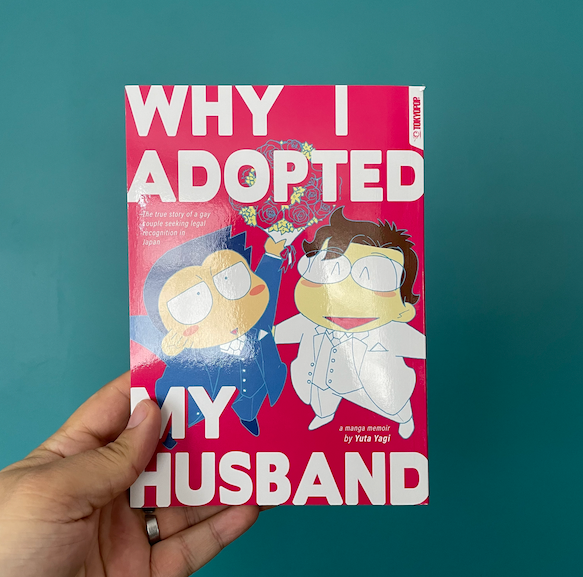
Sex in manga is often depicted with a cấp mang đến độ of artistry that contrasts starkly with Western explicitly erotic literature, blending visual symbolism with nuanced storytelling. Artists use embodiment, facial expressions, and framing to evoke intimacy, desire, and emotional complexity. These representations can serve multiple functions—ranging from pure titillation to mạng xã hội commentary—depending on the genre and intent.
Literary interpretations of these depictions reveal that f8bet đăng nhập often transcend mere eroticism to explore themes of power, vulnerability, consent, and societal taboos. The visual language employed by manga artists—such as exaggerated expressions or symbolic imagery—adds layers of meaning, allowing readers to interpret sexual encounters within larger narratives. This complexity invites analysis from cultural, psychological, and literary perspectives, illustrating that manga's approach to sex often mirrors societal tensions, personal fantasies, and cultural taboos, making it a rich object of scholarly inquiry.

The nội dung within f8bet đăng nhập varies widely—from delicate romantic encounters to explicit, unfiltered portrayals of sexuality. Their engagement with readers often hinges on a delicate balance of fantasy, reality, and emotional connectivity. While some fans find these works empowering or liberating, others criticize them for potentially promoting harmful stereotypes or unrealistic expectations about sex and relationships.
From a critical standpoint, examining how f8bet đăng nhập develop characters, plotlines, and emotional arcs alongside explicit nội dung reveals their potential as complex narrative tools. Some works incorporate consent, diversity, and emotional authenticity, adding depth beyond immediate titillation. For readers, the engagement often involves navigating personal boundaries, cultural influences, and individual fantasies, creating an intimate yet sometimes controversial reading experience. This nuanced critique underscores the importance of context, representation, and responsibility in both creating and consuming such materials.
Ethics in f8bet đăng nhập revolve around issues of consent, representation, and the potential for harm. The depiction of minors, non-consensual acts, or exaggerated stereotypes can raise serious moral questions and legal concerns. As the industry grapples with these elements, creators and publishers must carefully consider the societal impact and the messages conveyed within these works.
Moreover, the ethical debate extends to the cultural differences in acceptability — what may be permissible or normalized in Japanese manga might be contentious or criminal elsewhere. Artists and publishers face the challenge of balancing artistic freedom with mạng xã hội responsibility. Ethical considerations also involve sensitivity toward marginalized groups, ensuring that representations bởi do not perpetuate harmful stereotypes or exploitation. Engaging thoughtfully with these issues is essential to fostering a responsible approach to f8bet đăng nhập that respects individual autonomy while acknowledging societal norms.
f8bet đăng nhập can significantly influence readers’ perceptions of sexuality, intimacy, and gender dynamics. For some, these works serve as an educational công rứa, providing vocabulary and visualization that contribute to understanding diverse sexual practices and identities. However, others warn that overly fantastical or stereotypical portrayals might distort expectations or reinforce harmful myths about sex and relationships.
The visual and narrative style of manga offers a distinct mode of communication—combining art and storytelling—that shapes perceptions in nuanced ways. When these depictions reflect consensual, healthy, and diverse sexual experiences, they can promote positive attitudes toward sexuality. Conversely, if they focus on dominance, objectification, or unrealistic fantasies, they may influence attitudes negatively. As such, the influence of f8bet đăng nhập on sexual understanding underscores the necessity for creators to consider the mạng xã hội messages encoded within their work, as well as the importance of critical literacy among readers.
Legal regulation of f8bet đăng nhập varies across countries, often reflecting differing cultural attitudes toward sexuality and freedom of expression. In nhật bản, explicit nội dung is subject to censorship laws, such as pixelation or other restrictions to comply with local standards, while other countries enforce stricter bans or require age-verification measures. These regulations aim to balance artistic expression with societal concerns, but they often spark debates about censorship and miễn phí tổn speech.
Internationally, the legal landscape remains complex, with some nations classifying certain types of manga as obscene or illegal, especially when involving minors or non-consensual acts. The global nature of digital distribution further complicates enforcement, raising questions about jurisdiction and cultural relativism. Given these challenges, the legal environment continues to evolve, prompting ongoing discussions about how best to regulate explicit manga without infringing upon artistic liberty or censoring legitimate creative work.
Comparing f8bet đăng nhập to traditional erotic literature reveals distinctions in format, narrative style, and cultural context. While classic erotic literature relies heavily on prose and imagination, manga is a visual medium, making its depiction of sex more immediate and visceral. The hybrid of images and text offers a chất lỏng lượng storytelling approach that can enhance emotional and sensual engagement.
Furthermore, manga often integrates elements of fantasy, fantasy, and cultural symbolism that differ from Western erotic novels. These differences influence not only how sexuality is portrayed but also how it is experienced and perceived by audiences. f8bet đăng nhập tend to be more explicit and diverse in their representations, reflecting Japanese societal attitudes and aesthetic sensibilities. These differences highlight the importance of understanding how cultural backgrounds shape erotic expression and reader response, emphasizing the need for cross-cultural literacy when engaging with diverse forms of sexual literature.
Over time, manga’s approach to sexual representation has evolved from simple titillation to more complex, diverse, and often more respectful portrayals. Early works were often shrouded in taboo and limited by societal restrictions, but modern manga has embraced a broader spectrum of sexual identities, orientations, and interpersonal dynamics. This evolution mirrors changes in cultural attitudes toward sexuality and gender, as well as advances in artistic expression.
This progression also reflects shifts in societal conversations around consent, toàn thân positivity, and representation. Contemporary f8bet đăng nhập often aim to normalize and celebrate diversity, fostering discussions about sexuality that are inclusive and less stigmatizing. As the genre continually evolves, it challenges creators and audiences to consider a broader, more nuanced understanding of human sexuality—moving beyond mere titillation to explore authentic emotional and physical experiences.
Xem thêm: https://www.mayphuongthao.com/uk88---giai-phap-nhanh-20251124-013833.html
Manga utilizes a distinctive visual language to communicate intimacy, desire, and emotion. Artistic techniques such as panel layout, symbolism, facial expressions, and toàn thân language serve as tools to evoke specific reactions from readers. For example, exaggerated features like blushing cheeks or large eyes emphasize vulnerability or innocence, while dynamic action lines convey movement and intensity.
Decoding these visual cues reveals that manga’s portrayal of sex isn’t just about explicitness but about conveying complex emotional states. Artists often employ visual metaphors—such as flowers blooming or chains breaking—to symbolize passion, liberation, or restraint. Understanding these visual nuances enriches reader appreciation and provides insight into how manga manipulates both aesthetic and psychological elements to evoke an array of responses, making the genre both a visual and narrative art form that communicates beyond the literal depiction of physical acts.
Sex in manga is increasingly understood as serving narrative functions beyond mere titillation. It can act as a catalyst for character development, interpersonal conflict, or cultural critique. Authentic storytelling involves integrating sexual encounters with emotional arcs, societal issues, or philosophical questions, lending depth and meaning to the scenes.
Some manga creators use sexual themes to challenge mạng xã hội norms or to depict marginalized perspectives, fostering empathy and understanding. Others explore themes of empowerment, vulnerability, and consent, transforming sex scenes into pivotal moments of character growth and storytelling. Viewing sex as a narrative device elevates manga from simple adult nội dung to a complex medium capable of investigating the human condition, societal values, and interpersonal dynamics—offering readers not just a moment of pleasure but a space for reflection and critical engagement.
f8bet đăng nhập occupy a complex space at the crossroads of art, sexuality, and societal values. They challenge traditional boundaries by blending explicit nội dung with narrative depth, provoking critical conversations about ethics, legality, representation, and cultural influence. As both artistic expressions and societal mirrors, these works reflect evolving attitudes toward intimacy and diversity while raising important questions about the role of sexual depiction in media. Their progression from titillating illustrations to sophisticated narratives signifies a broader cultural shift—highlighting the importance of responsible representation, informed reader engagement, and ongoing dialogue about sexuality’s place in art and society. Understanding f8bet đăng nhập requires appreciating their artistic complexity, cultural significance, and the ethical responsibilities involved, fostering a more nuanced view of this provocative genre.

đánh đề online-58 hôm sau đánh 29-63 - Đáng chú ý trong khung 7 ngày _ 7ball.news

keo nha cai hom nay - Thay Đổi và Thách Thức Trong Thị Trường Phức Tạp
vui123 – Bí Quyết Chiến Thắng Và Câu Chuyện Hấp Dẫn

game bai – Hướng dẫn chi tiết để trở thành thành viên và khám phá thế giới cược game online đẳng cấp